
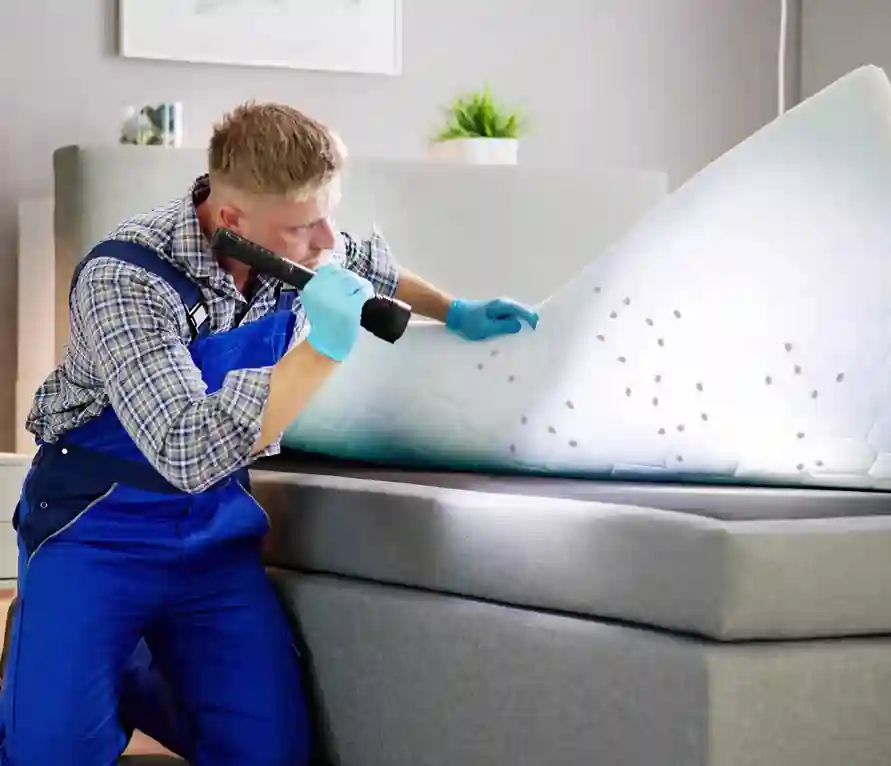
Bed bugs are small, persistent pests that can turn a comfortable bedroom into a stressful place to sleep. They hide in mattresses, bed frames, furniture joints, cracks, and upholstery, often remaining unnoticed until bites or other signs appear. Effective bed bugs control requires more than treating the insects that are immediately visible. The hiding places, eggs, surrounding furniture, and possible routes of spread also need to be considered.
What Are Bed Bugs?
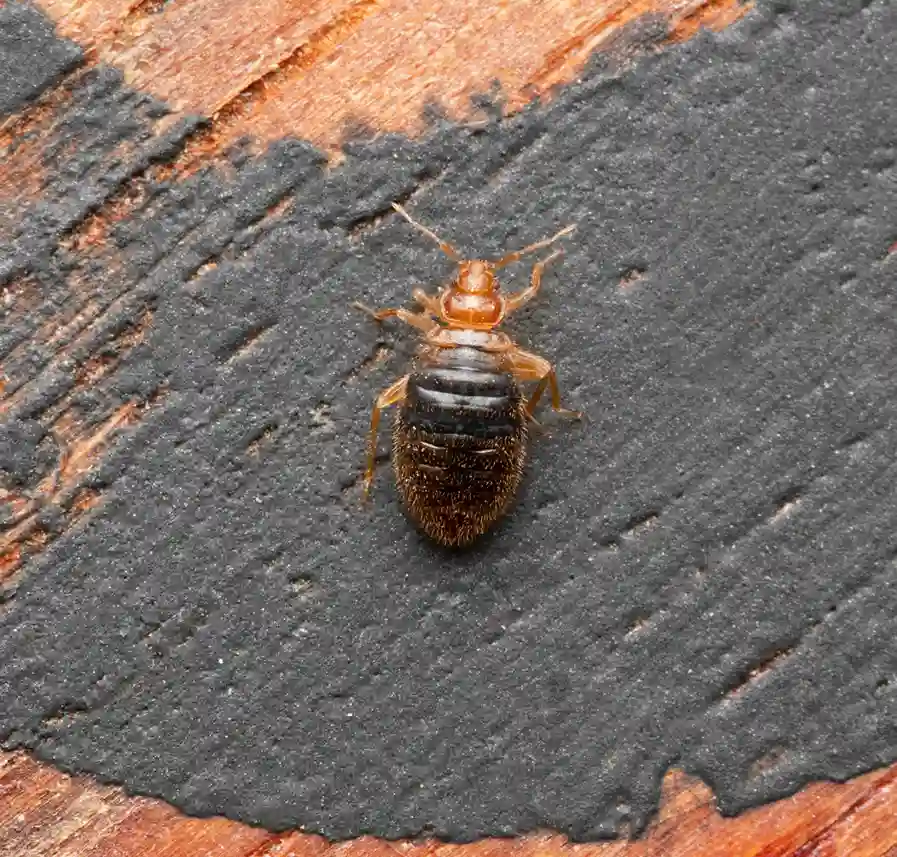
Bed bugs are small, flat insects that feed on blood. They are particularly active at night and tend to remain close to areas where people sleep or rest.
Their size and ability to hide in narrow spaces make them difficult to find during a casual inspection. A mattress may appear clean while bed bugs are hiding along its seams, beneath the bed frame, behind a headboard, or inside nearby furniture.
An infestation can therefore continue even when no insects are visible during the daytime.
How Do Bed Bugs Enter a Property?
Bed bugs are often introduced accidentally rather than because a property is dirty. They can travel in luggage, clothing, used furniture, bedding, bags, and other personal belongings.
Hotels, apartments, offices, dormitories, furnished properties, and homes can all experience bed bug problems.
Once introduced, they can move into nearby hiding places and gradually spread if the problem is not identified and addressed.
Signs of a Bed Bug Infestation
Recognizing the early signs can make treatment easier. Look carefully around sleeping and resting areas if you notice:
- Small dark spots on sheets or mattresses
- Tiny pale eggs or eggshells
- Shed insect skins
- Live bugs around mattress seams
- Small blood marks on bedding
- An unusual musty odor in heavily affected areas
- Repeated bites after sleeping
Bites alone are not enough to confirm bed bugs because different insects and skin reactions can produce similar marks. Finding physical evidence around the sleeping area provides stronger confirmation.
Where Do Bed Bugs Hide?
Bed bugs are experts at using small, protected spaces. During an inspection, attention should not be limited to the mattress.
Potential hiding locations include:
Mattress seams: The folds and stitching around a mattress provide concealed spaces.
Bed frames: Wooden joints, screw holes, cracks, and gaps can shelter insects.
Headboards: Bed bugs may hide behind or inside headboards positioned close to the wall.
Furniture: Sofas, bedside tables, chairs, drawers, and upholstered furniture can become secondary hiding areas.
Wall and floor gaps: Cracks around skirting boards, flooring, and walls may provide additional shelter.
Curtains and upholstery: Fabric folds can also provide suitable hiding places when an infestation has spread.
Why Bed Bugs Are Difficult to Eliminate
One of the biggest challenges is that eliminating visible adult insects does not necessarily eliminate the entire infestation.
Bed bug eggs can remain hidden in protected locations, while surviving insects may move deeper into furniture or surrounding structures. This is why simply spraying one mattress or using a household insecticide may produce only temporary results.
A professional approach should consider the life cycle, hiding locations, infestation level, surrounding furniture, and possibility of reinfestation.
Professional Bed Bug Treatment Process
A structured treatment begins with inspection rather than immediately applying chemicals.
1. Inspection
The affected bedroom and surrounding areas should be examined for live insects, eggs, shed skins, fecal spotting, and other evidence.
The inspection should also consider nearby furniture and rooms because bed bugs can spread beyond the original sleeping area.
2. Identify the Extent of Activity
The treatment strategy depends on how widespread the infestation is. A localized problem may require a different approach from an infestation affecting several rooms.
3. Targeted Treatment
Treatment should focus on confirmed or likely harbourage areas rather than indiscriminate application.
Depending on the circumstances, professional pest-control methods may include appropriately selected insecticidal treatments, steam or heat-based approaches, physical measures, and other integrated techniques.
4. Follow-Up
Follow-up is important because hidden insects or eggs may survive the initial intervention. A subsequent inspection can determine whether activity has stopped or whether additional treatment is necessary.
5. Prevention
The final step is reducing the chance of the infestation returning. This can include checking furniture, managing belongings carefully, treating potential harbourage areas, and identifying how the infestation may have entered the property.
Can You Prevent Bed Bugs?
No prevention method can guarantee that bed bugs will never enter a property, but several habits can reduce the risk of introducing or spreading them.
Inspect Used Furniture
Before bringing second-hand beds, sofas, mattresses, or upholstered furniture indoors, inspect seams, joints, undersides, and concealed areas carefully.
Check Luggage After Travel
After returning from a trip, inspect luggage and clothing rather than immediately placing everything onto beds or upholstered furniture.
Reduce Clutter
Excessive items around beds can create additional hiding places and make inspections more difficult.
Wash and Dry Bedding Properly
Regular laundering can help maintain good bedroom hygiene. Where bed bugs are suspected, follow appropriate laundering and drying instructions rather than relying on ordinary washing alone.
Inspect Nearby Areas
If bed bugs are found in one room, check surrounding furniture and adjoining areas rather than assuming the problem is restricted to a single mattress.
Should You Throw Away Your Mattress?
Not necessarily.
Discarding a mattress without treating the surrounding area can leave bed bugs behind in the bed frame, flooring, furniture, walls, or nearby belongings. In some cases, a properly treated mattress can remain usable.
If a mattress is heavily damaged or cannot be effectively treated, replacement may be considered—but it should be part of a broader control strategy rather than the only solution.
DIY Treatment vs. Professional Help
DIY products may appear convenient, but bed bugs can be difficult to eliminate because they hide in places that are easy to overlook.
Professional treatment can be particularly useful when:
- Bed bugs have been found in multiple rooms
- The infestation keeps returning
- Eggs or multiple life stages are present
- Furniture has significant activity
- The source of the infestation is unclear
- Previous DIY treatments have failed
Professional pest-control services can inspect the property, determine the likely extent of activity, and select treatment methods according to the situation. The target service states that its approach includes inspection, targeted treatment, and measures intended to reduce reinfestation.
What Should You Do Before Treatment?
Preparation can make an inspection and treatment more effective. Follow the pest-control technician's specific instructions, but preparation may involve:
- Removing unnecessary clutter from around beds.
- Making mattresses and bed frames accessible for inspection.
- Separating or organizing clothing and personal belongings as instructed.
- Avoiding moving infested furniture into another room.
- Following any instructions about laundering or bagging fabrics.
- Keeping treated areas accessible for follow-up inspection.
One important mistake is moving potentially infested furniture or belongings from one room to another. This can unintentionally spread the problem.
How Long Does Bed Bug Control Take?
There is no single treatment duration that applies to every infestation. The time required depends on the size of the property, number of affected rooms, severity of activity, treatment method, and whether follow-up visits are needed.
A small, recently detected infestation can be easier to manage than one that has been present for weeks or months.
For that reason, early inspection is generally preferable to waiting until bed bugs become widespread.
Protect Your Home From a Recurring Infestation
Successful bed bug management involves more than killing the insects that can be seen. The real objective is to locate hidden activity, address the affected areas, account for eggs and different life stages, and reduce opportunities for the pests to spread.
If you suspect bed bugs, inspect the sleeping area carefully and avoid moving potentially infested belongings around the property. When activity is confirmed or continues despite household measures, professional assessment can provide a more systematic route toward eliminating the infestation.
A clean bedroom can still develop bed bugs, so the presence of these pests should not automatically be viewed as a sign of poor hygiene. Early detection, thorough inspection, targeted treatment, and sensible prevention are the key components of effective bed bug management.